
Israel Taps Netanyahu Rival to Form New Government
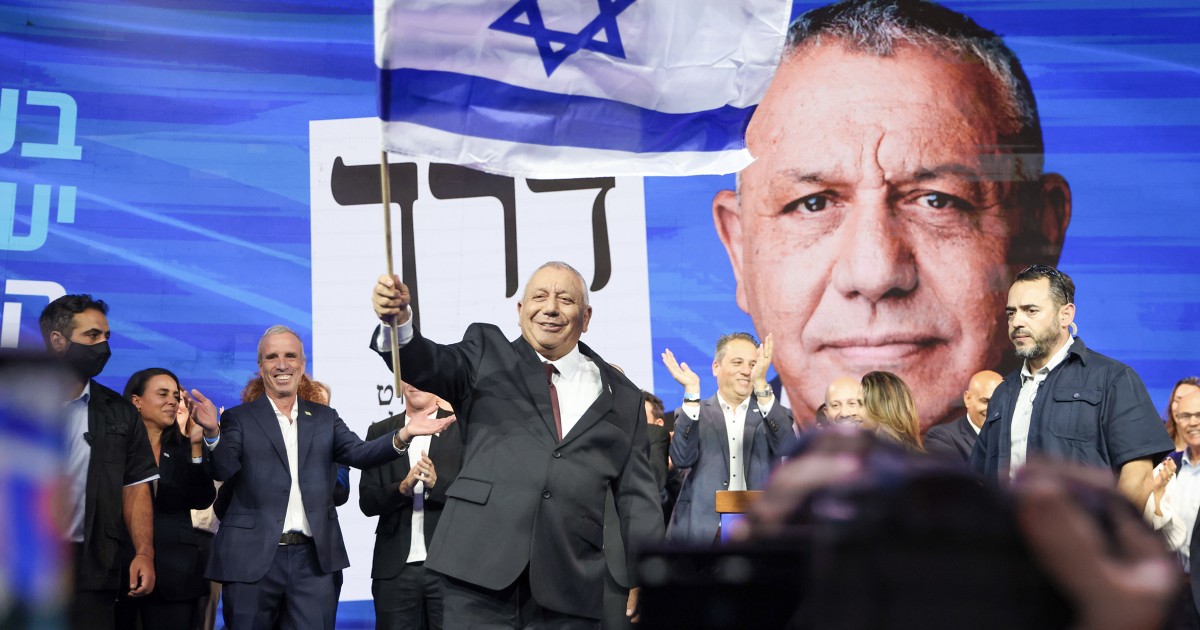
Israel's president has officially chosen a top political rival to form a new government. This move gives opposition leader Gadi Eisenkot the first chance to build a ruling coalition instead of Benjamin Netanyahu. It marks a huge shift in the country's political power structure today.
Who is forming the next government in Israel?
The president of Israel gave the opposition leader the first opportunity to build the nation's next leadership team. This decision targets the political rival of current leader Benjamin Netanyahu. The leader chosen for this major task is Gadi Eisenkot. He must now gather enough support from different groups to make a working team.
Eisenkot gets the very first shot at this job after the recent political moves. Taking on this job means he must talk to many different leaders across the country. Getting rival groups to agree on one plan is never an easy task. He has a set amount of time to get everyone to sign on.
Why did the president pass over Netanyahu?
The president decided to tap Netanyahu's political rival instead of giving the current leader the first turn. This choice shows how much the political climate has changed in recent days. The opposition leader now holds the key position to shape the future direction of the state. It puts Netanyahu on the defensive as his opponent takes center stage.
This big change reshapes how leaders view the immediate future of the country. Many voters wanted to see a new direction after months of strong political fights. By picking an opposition figure, the president sets up a fresh test for everyone involved. People on all sides are watching every single move very closely now.
What does this mean for ordinary people in Israel?
A change in who forms the government can directly affect daily life for everyday citizens. A new coalition led by Eisenkot could change how the nation handles its biggest daily problems. It affects rules, public spending, and how the country talks to other nations. People want to know if a new team can bring more stability to their lives.
Here are the main things citizens are looking for right now:
- A clear plan: People want to see if rival leaders can actually work together smoothly.
- New leadership: A different team might focus on different laws and public needs.
- Political stability: Ending long fights helps the whole country move forward faster.
What happens if Eisenkot fails to form a government?
Building a coalition requires getting many different political parties to join hands. If Eisenkot cannot convince enough partners to join him, the process gets much harder. The president might then have to ask someone else to try the task. That means the political fight would keep going for a lot longer.
For now, all eyes stay on the opposition leader as he starts these tough talks. His success or failure will decide who leads the nation next. Netanyahu and his allies will be waiting to see if the new effort breaks down. The coming days will show if a new government can truly take power.

No comments